Everest Three High Passes Trek – Complete Everest Circuit Trek
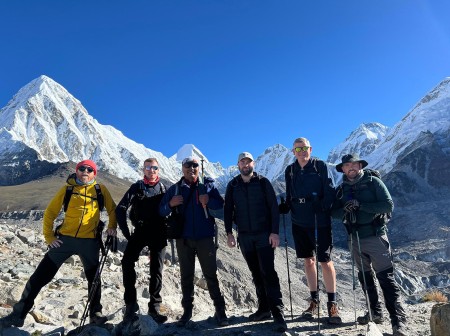
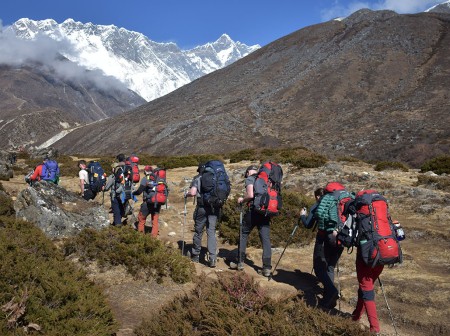
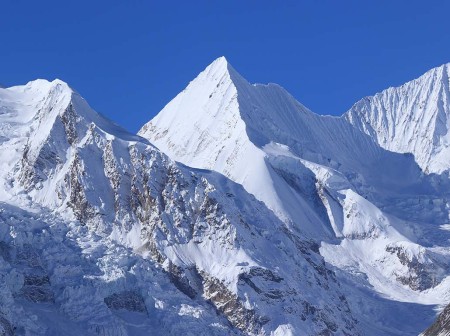
The Everest Three High Passes Trek is the most complete and demanding trekking circuit in Nepal’s Everest region. Designed for experienced trekkers, this journey offers a full exploration of the Khumbu through high mountain passes, remote valleys, iconic Everest viewpoints, and deeply rooted Sherpa culture. Due to its altitude, terrain variation, and scenic diversity, it is widely considered the ultimate trekking adventure in the Everest region. This challenging trek takes approximately 20 days and follows a true circuit route rather than a simple out-and-back trail. Trekkers experience constant changes in landscape, from forested river valleys to exposed alpine ridges, glaciers, and high Himalayan passes, making every stage of the trek distinct and rewarding.
Trek Concept and Route Experience
Unlike standard Everest treks, the Everest Three High Passes Trek completes a full circuit of the region. The route connects classic Everest landmarks with less-visited valleys by crossing three major high passes. This circuit approach allows trekkers to experience Everest Base Camp, Gokyo Valley, and the Thame region in one continuous journey.
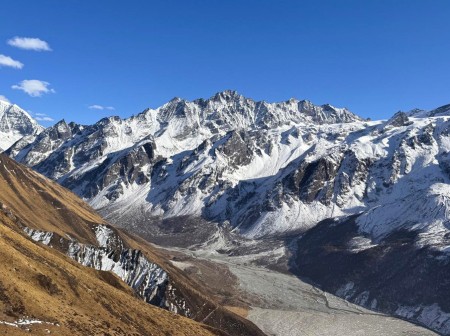
The trail gradually gains altitude, allowing proper acclimatization while delivering some of the most dramatic mountain scenery in Nepal. Glacier crossings, rocky moraines, and high ridgelines create a true expedition-style trekking experience.
High Himalayan Pass Crossings
The defining feature of this trek is the crossing of three major Himalayan passes, each requiring strong endurance, steady pacing, and confidence at high altitude:
-
Kongma La Pass (5,535m), the highest and most remote pass
-
Cho La Pass (5,420m), linking the Everest Base Camp route with Gokyo Valley
-
Renjo La Pass (5,345m), famous for wide panoramic mountain views
Snow and ice are common on these passes, particularly during spring and autumn. Proper acclimatization, route planning, and experienced guides are essential for safety.
Everest Base Camp and Kala Patthar
This trek includes two of the most iconic locations in the Everest region:
-
Everest Base Camp (5,364m), the historic staging point for Everest expeditions
-
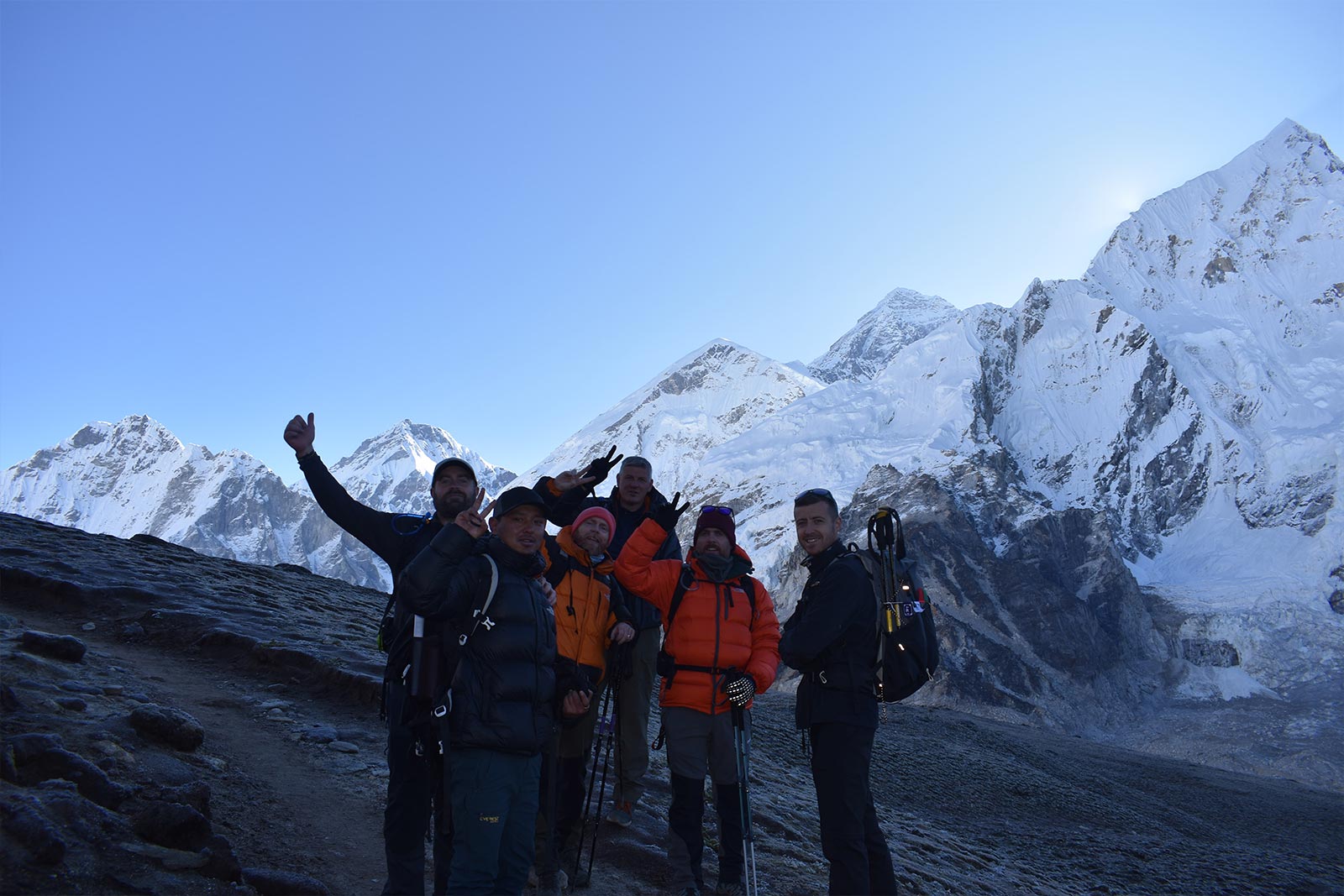
Kala Patthar (5,545m), the best viewpoint for close and panoramic views of Mount Everest, Lhotse, and Nuptse
Kala Patthar is especially valued for sunrise and sunset views and remains the most popular photography viewpoint in the region.
Cultural Gateway in Kathmandu
The journey begins in Kathmandu, where trekkers prepare for the trek and explore Nepal’s cultural heritage. Visits to Pashupatinath Temple, Swayambhunath, and Boudhanath Stupa, along with Patan and Bhaktapur, provide insight into Nepal’s spiritual and architectural traditions before heading into the Himalayas.
Lukla Flight and Entry into the Khumbu
The trek officially begins with a scenic mountain flight to Lukla at 2,860 meters, either directly from Kathmandu or via Ramechhap during peak seasons. From Lukla, the trail follows the Dudh Koshi River, crossing suspension bridges and passing through traditional Sherpa villages before reaching Namche Bazaar.
Acclimatization and Sherpa Heritage
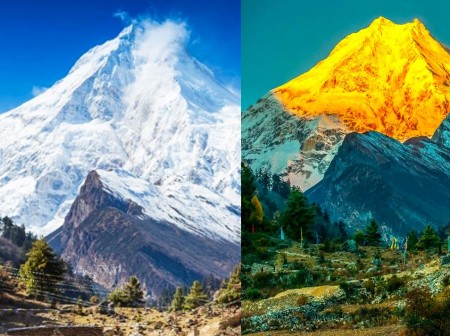
Namche Bazaar serves as the main acclimatization hub and cultural center of the Sherpa community. Additional acclimatization days allow the body to adjust to altitude while offering insight into Sherpa lifestyle, trade traditions, and mountain culture. Nearby viewpoints provide excellent views of Everest and Ama Dablam.
Gokyo Valley and Glacial Landscapes
One of the most scenic sections of the trek is the Gokyo Valley, known for its turquoise glacial lakes and dramatic alpine surroundings. Trekkers can observe the vast Ngozumpa Glacier, the longest glacier in the Himalayas, highlighting the immense scale of the high mountains.
Spiritual Sites and Historic Trade Routes
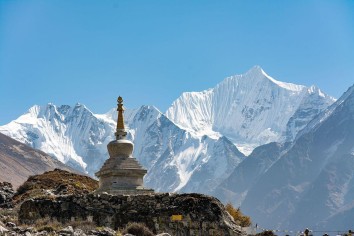
Cultural highlights include Tengboche Monastery, a major spiritual center of the Everest region. The trek also passes through the Thame Valley, a historic trade route near the Tibet border once used by yak caravans transporting salt and wool.
Accommodation and Local Life
Accommodation throughout the trek is provided in traditional mountain teahouses. These family-run lodges offer simple comfort, nourishing meals, and warm Sherpa hospitality. Staying in teahouses allows trekkers to experience daily life in remote Himalayan settlements while supporting local communities.
Best Time to Trek Everest Three High Passes
The best seasons for the Everest Three High Passes Trek are:
-
Spring (March to May): Stable weather, clear views, and blooming rhododendrons at lower elevations
-
Autumn (September to December): Dry conditions, excellent visibility, and stable trekking weather
Winter brings heavy snow and extreme cold on the passes, while the monsoon season results in poor visibility and difficult trail conditions.
Trek Difficulty and Safety
This trek is considered strenuous due to its length, high altitude, and repeated pass crossings. A well-paced itinerary, planned acclimatization days, experienced guides, and clear safety protocols are essential. For trekkers with good fitness and prior high-altitude experience, the challenge is demanding yet highly rewarding.
Highlights of the Everest Three High Passes Trek
-
Cross three major Himalayan passes: Kongma La, Cho La, and Renjo La
-
Reach Everest Base Camp and stand beneath the world’s highest mountain
-
Climb Kala Patthar for the finest Everest views
-
Explore the glacial lakes and alpine scenery of Gokyo Valley
-
View the massive Ngozumpa Glacier
-
Visit Tengboche Monastery, the spiritual heart of the Khumbu
-
Acclimatize and experience Sherpa culture in Namche Bazaar
-
Trek historic trade routes through the Thame Valley
-
Experience landscapes ranging from forests to glaciers
-
Stay in traditional teahouses with authentic Sherpa hospitality
Plan Your Everest Three High Passes Trek
🌐 Website: www.soleencounterstrek.com
📧 Email: info@soleencounterstrek.com
📱 WhatsApp: +977 9808979061
For detailed itineraries, customization options, and expert guidance, contact our local team and start planning your Everest Three High Passes Trek with confidence.